
Herbal Remedies for Anxiety and Stress Support

Anxiety affects people in very different ways. For some, it’s constant overthinking. For others, it shows up physically through a racing heart, tense muscles, dizziness, or poor sleep. Stressful life events, work pressure, health issues, and even too much caffeine can all factor into how a person experiences anxiety.
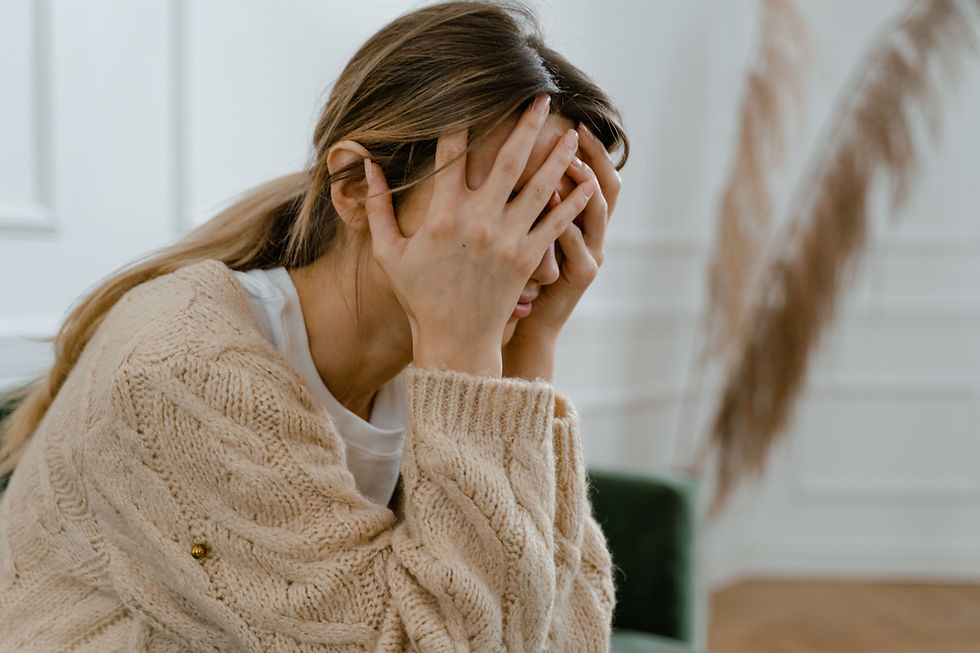
While professional support is important when symptoms become overwhelming, a growing number of people have been exploring natural approaches that may work alongside medical care. Herbal remedies are one of these options, and can be particularly helpful for mild anxiety or stress-related sleep issues.
In summary:
Anxiety can present in both physical and emotional ways and may be influenced by stress, lifestyle factors, and underlying health conditions.
Some people explore herbal remedies and complementary approaches such as chamomile, valerian, and lifestyle strategies to support relaxation and wellbeing.
Herbal and natural options may carry risks or interactions, so professional guidance is important, particularly if symptoms are ongoing or severe.
Telehealth can help connect people with qualified healthcare practitioners for assessment, advice, and appropriate care planning where needed.
Understanding Anxiety and its Triggers
Anxiety is a normal response to stress, but when those feelings become difficult to manage, they can start affecting daily life. Some people feel a constant sense of unease, some notice a spectrum of physical symptoms, and many experience both.
Triggers can vary from person to person, with emotional stress, financial pressure, and disrupted sleep patterns being common contributors. In some cases, anxiety may be the manifestation of a diagnosed (or undiagnosed) anxiety disorder that benefits from ongoing professional treatment.
Popular Herbal Remedies for Anxiety
When people ask, “what herbal remedies are good for anxiety?”, the answer usually depends on the symptoms they’re experiencing and what they’re hoping to improve.
Commonly used herbal products include:
Chamomile – often used as part of calming routines, such as bedtime tea
Passionflower, valerian, and hops – traditionally used to support relaxation and sleep
St John’s wort is another herbal product that’s used for mood support, although it can interact with prescription medications and isn’t suitable for everyone.
Even natural products can carry risks, which is why it’s a good idea to speak with a healthcare professional before starting something new.
It’s also worth noting that herbal remedies may not be enough on their own. If anxiety is affecting your work, relationships, sleep, or ability to function, professional support is important.
Natural approaches shouldn’t replace proper care when symptoms are debilitating.
Lifestyle Approaches to Managing Anxiety Naturally
Herbal support often works best when combined with healthy lifestyle habits, including:
Regular movement
Consistent sleep
Mindfulness practices
Deep breathing exercises
Reducing caffeine intake
Many people also find that anxiety becomes harder to manage when they’re run down or overstimulated. Creating space for rest and recovery is often just as important as finding the right supplement or remedy.
Alternative Medicine Options for Anxiety Support
Alongside herbal remedies, some people explore complementary therapies such as yoga, meditation, massage, or relaxation techniques. These may help lower stress levels, improve sleep quality, and evoke a sense of calm.
While these therapies aren’t considered standalone treatments for anxiety disorders, they can become part of a broader support plan that focuses on both physical and mental health.
When to Consider Prescription Natural Medication to Treat Anxiety
For people experiencing severe symptoms, it may be time to speak with a doctor about additional treatment options. In Australia, prescription-only treatments must be assessed and prescribed by an authorised healthcare professional.
Mental health treatment plans and evidence-based therapies are often considered first-line approaches for anxiety disorders. And in some cases, your doctor may discuss whether prescription natural medication is appropriate based on your symptoms and medical history.
Accessing Support Through Telehealth Services
One of the benefits of telehealth is that it can make support more accessible, especially for people who feel anxious about attending appointments in person or who live in regional areas.
Telehealth consultations allow patients to:
Speak with qualified healthcare professionals from home
Discuss symptoms and concerns in a private setting
Explore appropriate care options based on individual needs
Safety Considerations
Even though herbal products are natural, that doesn’t mean they’re risk-free. Some herbal medicines can interact with prescription medications or cause side effects, particularly when combined with other supplements or treatments.
If you’re considering herbal remedies for anxiety, it’s safest to check with a qualified healthcare professional first. That’s especially true if you have existing medical conditions or take any regular medication/s.
It’s also important to seek professional help if your anxiety feels severe, is ongoing, or is difficult to cope with. You don’t have to try and manage everything on your own.
Talk to Cannalink
If you’d like to learn more about accessing doctor-led support options through telehealth, you can complete our intake form or browse our FAQs for more information about our consultation process at Cannalink.


Comments